
Charcoal Bamboo Wall Panels: The Ultimate Guide to Eco-Friendly Interior Design
Charcoal bamboo wall panels combine sustainability with modern aesthetics, offering superior moisture resistance and durability
Key Takeaways
- Charcoal bamboo wall panels combine sustainability with modern aesthetics, offering superior moisture resistance and durability
- Made from natural bamboo powder, PVC resin, and calcium carbonate, these panels provide antibacterial and anti-odor properties
- Installation is straightforward with click-lock systems and adhesive options, making them perfect for DIY projects
- Available in 24+ vibrant colors and multiple collections including Wood, Metallic, Fabric, and Stone finishes
- Cost-effective alternative to traditional wood panels without maintenance issues like pest vulnerability or moisture damage
Modern interior design increasingly demands materials that combine aesthetic appeal with environmental responsibility. As homeowners and commercial spaces seek sustainable alternatives to traditional wood panels, charcoal bamboo wall panels have emerged as an innovative solution that addresses both ecological concerns and practical needs.
These revolutionary wall coverings represent a significant advancement in interior decoration materials, offering the natural beauty of wood with enhanced performance characteristics that surpass conventional options. Whether you’re planning accent walls for your dream home or considering comprehensive wall decoration for commercial buildings, understanding the unique properties and applications of these panels can transform your approach to interior design.

What Are Charcoal Bamboo Wall Panels
Charcoal bamboo wall panels represent a sophisticated fusion of traditional materials and advanced engineering. These innovative wall coverings are composite products manufactured by combining bamboo charcoal powder—obtained through the pyrolytic carbonization of bamboo stalks—with bamboo fiber, wood powder, thermoplastic resins, and performance-enhancing additives.
The core composition includes natural bamboo powder that has been processed through controlled carbonization at temperatures between 600-1200°C. This process creates a highly porous material with exceptional adsorption capabilities, typically achieving surface areas of 300-500 m²/g. The bamboo charcoal powder provides antibacterial, anti-mite, and anti-odor properties while offering instant water absorption capabilities that make these panels ideal for almost every environment.
The manufacturing process creates corrosion-resistant bamboo charcoal wood veneer through a carefully controlled sequence. Wood powder, typically from poplar or pine sources, constitutes 30-60% of the composite mix, providing structural integrity and the familiar texture of real wood. Thermoplastic resins, commonly PVC at 10-30% concentration, ensure water resistance and dimensional stability.
PVC lamination ensures strong bonding between layers while providing waterproofing and long-lasting color retention. The process includes quality control measures that enhance mechanical strength, dimensional stability, and resistance to environmental factors. Additional additives include flame retardants enabling fire resistance up to Class B1/B2 standards, UV stabilizers to prevent color fading, and calcium carbonate fillers for enhanced hardness and cost control.
The resulting panels typically measure 1220mm × 2440mm to 1220mm × 3000mm, with thickness ranging from 5mm to 8mm, making them suitable for both residential and commercial buildings applications.
Environmental Benefits and Sustainability
Bamboo has earned recognition as the “green steel of the 21st century” due to its remarkable renewable properties and minimal environmental impact. Unlike traditional timber that requires decades to mature, bamboo reaches full maturity in just 3-5 years, making it one of the most rapidly renewable resources available for construction and interior decoration.
The carbon sequestration capabilities of bamboo surpass those of traditional forests significantly. Bamboo forests capture 35%-50% more carbon than like sized timber forests, contributing substantially to atmospheric carbon reduction. This enhanced carbon capture occurs because bamboo’s rapid growth cycle allows for frequent harvesting without destroying the root system, which continues to sequester carbon while regenerating above-ground biomass.

The eco-friendly manufacturing process of charcoal bamboo wall panels further enhances their environmental credentials. The pyrolysis process that creates bamboo charcoal operates in oxygen-limited conditions, reducing emissions compared to traditional wood processing. Additionally, the composite nature of these panels allows for the utilization of wood powder from recycled sawdust, reducing waste from other manufacturing processes.
The environmental benefits extend beyond raw material sourcing. These panels contribute to protecting life by reducing dependency on slow-growing hardwood forests, helping preserve natural ecosystems. The formaldehyde free composition of many high-quality panels eliminates concerns about indoor air quality degradation, while the voc free characteristics ensure healthy living spaces.
The biodegradable components within the composite structure mean that at end-of-life, these panels have reduced environmental impact compared to purely synthetic alternatives. Some manufacturers are developing take-back programs and recycling initiatives to further minimize environmental footprint.
Types and Design Options
Modern charcoal bamboo wall panels offer an extensive range of design possibilities that cater to diverse aesthetic preferences and functional requirements. The variety available today allows for creative interior design solutions that can enhance almost every environment while maintaining the practical benefits of this environmentally friendly material.
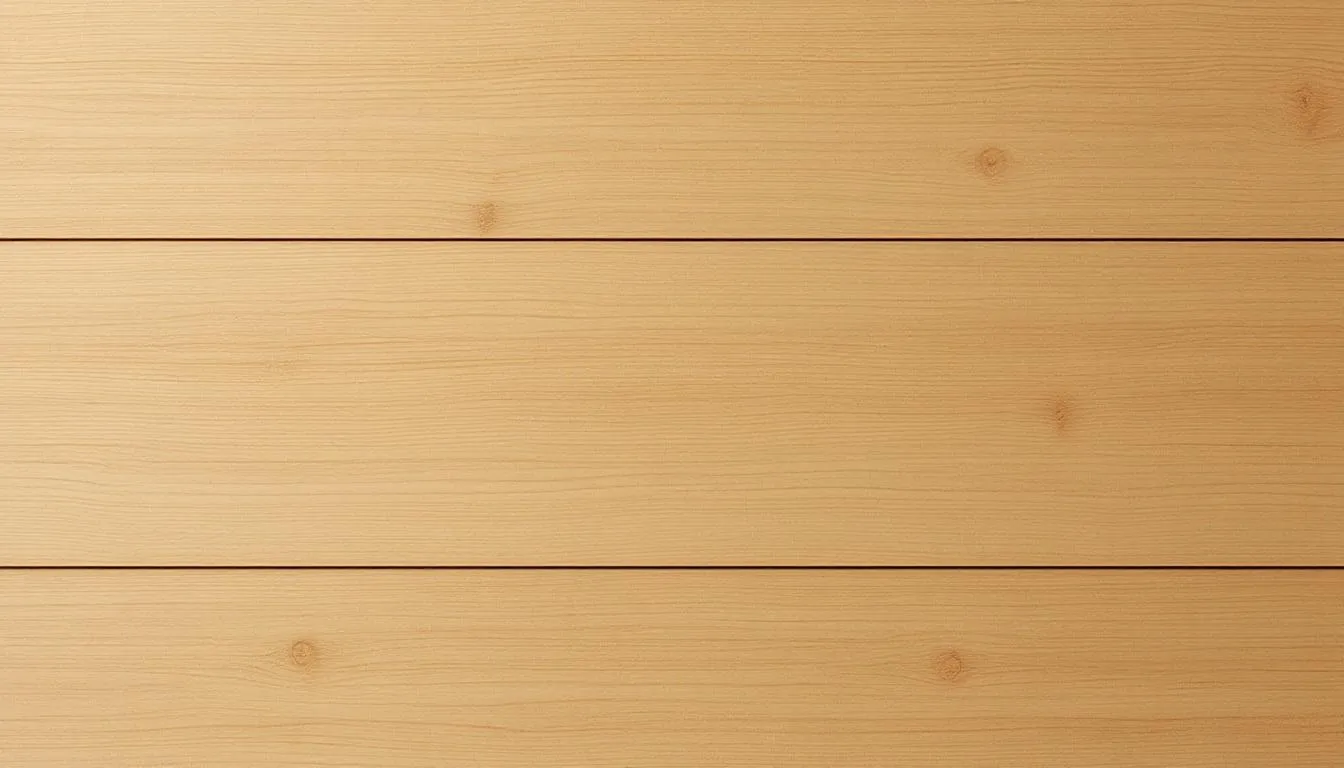
The Wood collection features carefully crafted oak and walnut patterns that replicate the natural textures and grain patterns of premium hardwoods. These panels showcase polished finishes that create the warmth and elegance traditionally associated with real wood, while providing superior performance characteristics. The wood veneer surface treatment achieves remarkable visual and tactile similarity to genuine timber, making them an ideal choice for living rooms and spaces where natural beauty is paramount.
The Metallic collection offers contemporary industrial aesthetics perfect for modern commercial spaces and urban residential environments. These panels feature sophisticated finishes that create reflecting surface effects, enhancing room lighting while maintaining the sustainable benefits of bamboo construction. The metallic patterns work exceptionally well in commercial buildings where modern, professional appearances are essential.
The Fabric collection provides soft, textured appearances that bring comfort and warmth to bedrooms and intimate living spaces. These panels feature different patterns that mimic textile surfaces, creating a sophisticated alternative to traditional fabric wall coverings while offering the moisture resistant and durable characteristics that fabric cannot provide.
The Stone collection mimics natural stone patterns for both rustic and modern applications. These designs create the visual impact of natural stone materials without the weight, cost, or installation complexity of actual stone. The collection includes various textures that work well for accent walls and feature installations in bathrooms and commercial environments.
3D textured panels represent the cutting edge of design innovation, creating dynamic wall features with various depth patterns. These panels manipulate light and shadow to create visual interest while providing excellent insulation properties. The three-dimensional surfaces can diffuse reflection of acoustical waves, contributing to noise reduction in busy spaces.
All collections are available in 24+ vibrant colors, ranging from natural wood tones to bold contemporary hues. The color options are achieved through advanced manufacturing techniques that ensure fade-resistant coatings capable of maintaining their appearance for decades.
Key Features and Performance Benefits
The exceptional performance characteristics of charcoal bamboo wall panels stem from their engineered composition and advanced manufacturing processes. These features combine to create a wall covering solution that addresses common problems found in traditional materials while providing enhanced functionality for modern interior spaces.
Superior moisture resistance makes these panels exceptionally suitable for bathrooms, kitchens, and other high-humidity environments. Unlike traditional wood panels that can warp, crack, or develop mold when exposed to moisture, bamboo charcoal panels maintain their structural integrity and appearance even in challenging conditions. The waterproof characteristics result from the PVC resin component and specialized surface treatments that prevent water penetration.
The thermal insulation properties of these panels contribute significantly to energy efficiency and room comfort. The composite structure creates excellent insulation that helps regulate room temperature, reducing heating and cooling costs while maintaining consistent comfort levels. This insulation effect works in different directions, helping to moderate temperature transfer through walls and contributing to overall building energy performance.

Noise reduction capabilities represent another significant advantage of charcoal bamboo wall panels. The dense composite structure and textured surfaces help reduce noise transmission between rooms and can enhance room acoustics by absorbing sound energy. This makes them particularly valuable in commercial buildings, home theaters, and residential spaces where acoustic control is important.
The scratch and stain resistance of these panels significantly reduces maintenance requirements compared to traditional wall coverings. The durable surface coatings resist daily wear and tear while maintaining their appearance over years of use. This exceptional durability translates to long-term cost savings and minimal maintenance needs.
Fire resistance represents a critical safety feature, with many panels achieving Class B1 or B2 flame retardancy ratings. This fire protection helps in protecting life and property from fire disasters, making these panels suitable for commercial installations and residential applications where fire safety is paramount. The flame retardant additives are integrated during manufacturing, ensuring consistent fire resistance throughout the panel.
The antibacterial and anti-odor properties result from the bamboo charcoal component’s natural characteristics. The porous structure of carbonized bamboo naturally inhibits bacterial growth while absorbing odors, contributing to healthier indoor environments. This makes the panels particularly valuable in healthcare facilities, kitchens, and other spaces where hygiene is critical.
Installation Methods and Techniques
The installation process for charcoal bamboo wall panels has been designed to accommodate various skill levels and project requirements, making them accessible for both professional contractors and DIY enthusiasts. The easy installation characteristics represent one of the primary advantages over traditional wood paneling or other wall covering options.
The click-lock system installation method provides the most user-friendly approach for DIY projects. This system features precisely machined edges that interlock securely without requiring specialized tools or extensive construction experience. The panels snap together with satisfying precision, creating seamless joints that maintain the visual continuity of the wall surface. This method works particularly well for living rooms and bedroom applications where a polished, professional appearance is desired.
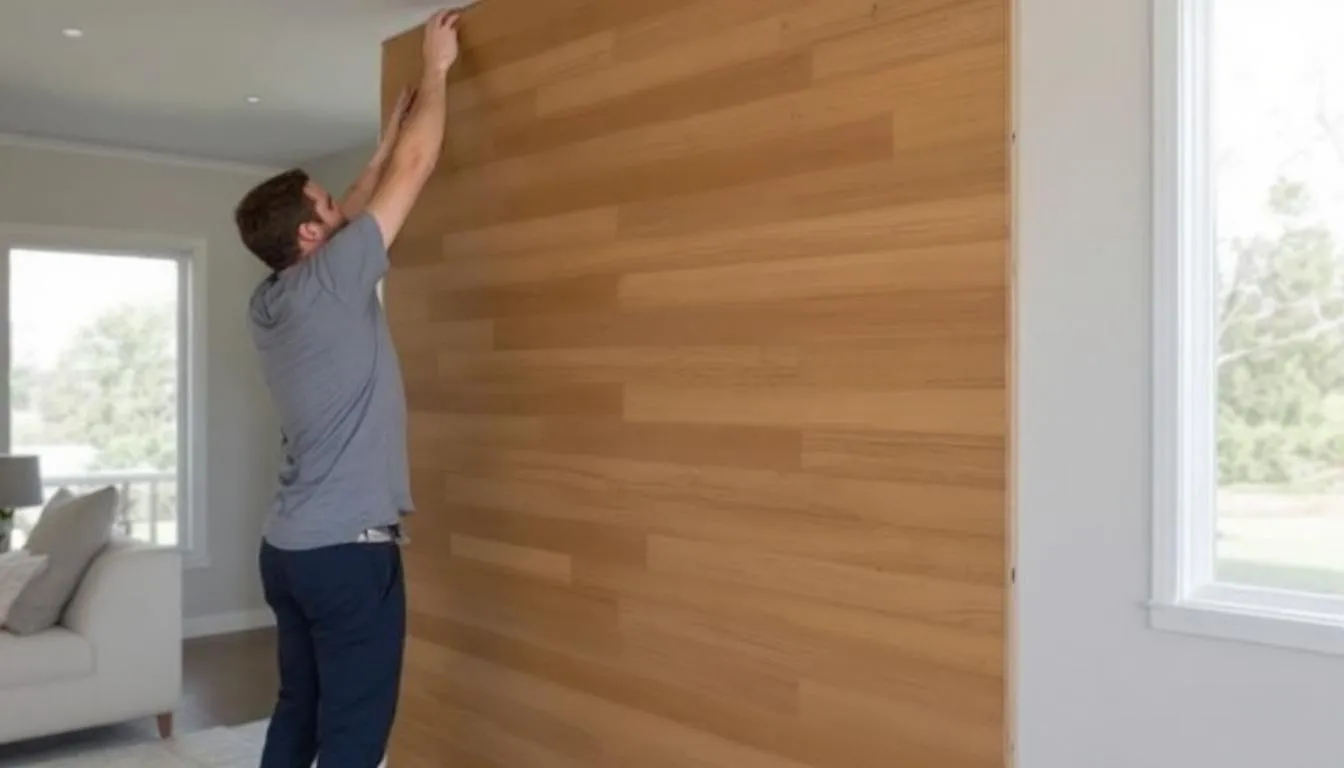
Peel-and-stick adhesive options offer the quickest installation method for many applications. High-quality adhesive backing allows panels to be easily installed directly onto prepared wall surfaces without requiring additional fasteners. This method reduces installation time significantly and works well for accent walls and smaller projects where permanence is not the primary concern.
Traditional nail and screw mounting methods provide the most secure attachment for permanent installations. This approach is recommended for commercial spaces and high-traffic areas where maximum stability is required. The panels can be attached to standard wall framing or furring strips using conventional fasteners, making them compatible with existing construction methods.
Pre-installation preparation requires attention to wall surface conditions and environmental factors. Walls should be clean, dry, and reasonably flat to ensure proper panel adhesion and appearance. Any significant irregularities should be corrected before installation begins. Environmental conditions during installation should be controlled, with temperatures between 60-80°F and humidity levels below 60% for optimal results.
Professional installation tips include starting with accurate measurements and careful planning of panel layout. Creating a level reference line ensures consistent alignment throughout the installation. Panels should be allowed to acclimate to room conditions for 24-48 hours before installation to minimize expansion or contraction issues. Cutting panels should be done with appropriate tools to maintain clean edges and proper fit.
The installation process typically requires minimal specialized tools, making it accessible for most property owners. Basic tools include a level, measuring tape, utility knife or saw for cutting, and appropriate fasteners for the chosen installation method. Most installations can be completed by one or two people, reducing labor costs compared to more complex wall covering options.
Application Scenarios and Room Types
The versatility of charcoal bamboo wall panels makes them suitable for an impressive range of interior spaces, each benefiting from the unique properties these panels provide. Understanding the optimal applications helps homeowners and designers maximize both aesthetic impact and functional benefits.
Living rooms and accent walls represent one of the most popular applications for these panels. The natural beauty and varied textures available create sophisticated focal points that enhance the overall room design. The panels’ ability to create visual interest while maintaining a warm, inviting atmosphere makes them ideal for spaces where families gather and entertain guests. The different patterns and styles available allow for creative design approaches that complement existing furniture and decor.
Kitchen backsplashes and dining areas benefit significantly from the moisture-resistant properties of bamboo charcoal panels. Unlike traditional wood that can be damaged by cooking vapors and cleaning activities, these panels maintain their appearance and structural integrity in challenging kitchen environments. The easy cleaning characteristics and stain resistance make them practical choices for areas where spills and splashes are common occurrences.
Bedroom feature walls and headboard applications showcase the elegance and warmth these panels can bring to intimate spaces. The natural bamboo composition creates a calming atmosphere that enhances rest and relaxation. The variety of textures and colors available allows for personalized design approaches that reflect individual style preferences while maintaining the peaceful ambiance bedrooms require.
Bathroom installations utilize the waterproof characteristics that make these panels superior to traditional wood options. The panels resist moisture damage while providing an attractive alternative to tile or painted surfaces. The antibacterial properties contribute to healthier bathroom environments, while the easy maintenance reduces the time and effort required for routine cleaning.
Commercial spaces including offices, hotels, and retail environments increasingly specify bamboo charcoal panels for their combination of sustainability credentials and professional appearance. The panels meet the aesthetic requirements of modern commercial buildings while contributing to green building certifications and corporate sustainability goals. The durability and minimal maintenance requirements make them cost-effective choices for high-traffic commercial applications.
Home theaters and entertainment rooms benefit from the acoustic properties of these panels. The ability to reduce noise transmission and enhance room acoustics creates more enjoyable entertainment experiences while preventing sound from disturbing other areas of the home. The variety of designs allows for creative approaches to theater room decoration that complement audio-visual equipment and seating arrangements.
The panels work effectively in almost every environment where traditional wall coverings might be considered. Their resistance to common problems like pest inhabitants, moisture damage, and fire hazards makes them suitable for a broader range of applications than conventional materials.
Comparison with Traditional Wood Panels
When evaluating wall covering options, the comparison between charcoal bamboo wall panels and traditional wood reveals significant advantages that extend beyond initial cost considerations. Understanding these differences helps property owners make informed decisions that consider both immediate needs and long-term value.
Cost analysis demonstrates substantial savings, with bamboo charcoal panels typically costing 30-40% less than comparable solid wood panels. This cost advantage stems from the rapidly renewable nature of bamboo, which reduces raw material costs, and the efficient manufacturing processes that create consistent quality without the premium pricing associated with slow-growing hardwoods. The savings become even more significant when considering the total cost of ownership over the lifespan of the installation.
Maintenance comparison reveals one of the most compelling advantages of bamboo charcoal panels. Traditional wood requires regular treatment with oils, stains, or protective coatings to maintain appearance and prevent deterioration. These maintenance requirements involve both time and ongoing costs that accumulate over years of ownership. In contrast, bamboo charcoal panels require minimal maintenance, typically needing only regular cleaning with mild detergent and soft cloth.
The high maintenance demands of traditional wood include vulnerability to moisture damage, requiring careful environmental control and immediate attention to spills or leaks. Wood panels are also susceptible to pest inhabitants like termites and wood-boring beetles, which can cause structural damage requiring expensive repairs or replacement. Bamboo charcoal panels eliminate these worrying problems, providing peace of mind and reduced ongoing maintenance costs.
Durability differences become apparent when comparing resistance to common environmental factors. Traditional wood can warp, crack, or split when exposed to humidity changes or temperature variations. These materials may also fade when exposed to sunlight or discolor from aging and use. Bamboo charcoal panels maintain dimensional stability and color consistency throughout their service life, even in challenging conditions.
The installation time and complexity advantages of bamboo charcoal panels reduce both labor costs and project timeline. Traditional wood installation often requires specialized tools, experienced craftspeople, and significant time for proper fitting and finishing. The engineered consistency of bamboo panels allows for faster, more predictable installation with less waste and fewer complications.
Feature
Bamboo Charcoal Panels
Traditional Wood Panels
Initial Cost
30-40% lower
Higher premium pricing
Maintenance
Minimal - basic cleaning
High - regular treatments
Moisture Resistance
Excellent waterproof properties
Vulnerable to water damage
Pest Resistance
Immune to termites/beetles
Susceptible to pest damage
Installation
Easy DIY-friendly systems
Requires skilled craftspeople
Lifespan
20-30 years with warranty
Variable, depends on maintenance
Fire Resistance
Class B1/B2 rated
Requires additional treatment
Long-term value proposition favors bamboo charcoal panels through reduced maintenance costs, extended lifespan, and consistent performance. While traditional wood may have initial aesthetic appeal, the ongoing costs and worrying problems caused by environmental factors and pest vulnerability often exceed any initial savings. The return on investment for bamboo panels improves over time as maintenance savings accumulate and the panels maintain their appearance and functionality.
Selection Guide and Buying Tips
Choosing the right charcoal bamboo wall panels requires careful consideration of multiple factors that affect both immediate satisfaction and long-term performance. A systematic approach to selection ensures optimal results for specific applications and design goals.
Matching panel styles to architectural design themes begins with understanding the existing interior aesthetics and desired outcomes. Contemporary spaces benefit from clean lines and modern textures found in metallic or stone collections, while traditional interiors may be better served by wood grain patterns that complement existing furnishings. The elegance achieved through proper style matching creates cohesive design schemes that enhance the overall living space.
Quality indicators provide essential guidance for distinguishing between superior products and lower-grade alternatives. Material thickness represents a key quality factor, with panels between 5-8mm offering optimal balance between durability and ease of installation. Finish quality should be evaluated through close examination of surface consistency, color uniformity, and edge precision. Certification standards from recognized testing organizations provide additional assurance of performance and safety characteristics.
Color and texture selection should account for room lighting conditions and space dimensions. Darker colors can create intimate atmospheres in larger rooms but may make smaller spaces feel cramped. Lighter colors reflect more light and can help smaller rooms appear more spacious. The polished finishes available in many collections enhance light reflection, while textured surfaces create visual interest through shadow and depth effects.
Budget planning requires consideration of both material costs and installation expenses. Cost per square foot calculations should include waste factors, typically 5-10% additional material for cutting and fitting. Professional installation costs vary by region and project complexity, while DIY installation can reduce total project costs significantly for those with appropriate skills and tools.
Supplier evaluation criteria include manufacturer reputation, warranty terms, and customer service quality. Established manufacturers typically offer comprehensive warranties covering defects and performance issues for 5-15 years or more. Technical support availability helps resolve installation questions and ensures optimal results. Local supplier support can be valuable for ongoing service and potential future expansion projects.
Important considerations include panel compatibility with existing wall structures and environmental conditions. Panels designed for interior use should not be specified for outdoor applications where UV exposure and weather conditions exceed design parameters. Humidity levels and temperature variations in the intended installation area should fall within manufacturer specifications for optimal performance.
Sample evaluation allows for informed decision-making through direct examination of materials. Most suppliers provide samples that allow evaluation of color accuracy, texture quality, and overall appearance under actual lighting conditions. Testing sample pieces with cleaning products and installation methods can provide confidence in the selection before committing to full quantities.
Maintenance and Care Instructions
Proper maintenance of charcoal bamboo wall panels ensures long-lasting beauty and performance while protecting the investment in these premium wall coverings. The relatively low maintenance requirements represent one of the significant advantages over traditional materials, but following recommended care procedures maximizes lifespan and appearance retention.
Daily cleaning routines require minimal effort while maintaining optimal panel appearance. Regular dusting with soft microfiber cloths removes surface particles and prevents accumulation that could affect the panel finish. Gentle techniques should be employed, avoiding excessive pressure that might damage decorative surfaces or textured areas. The cleaning process can be integrated into routine housekeeping activities without requiring special scheduling or extensive time commitments.
Weekly deep cleaning with mild detergent solutions addresses more persistent soil and maintains hygiene standards. A solution of warm water and gentle dish soap provides effective cleaning without harsh chemicals that could damage panel surfaces. The cleaning solution should be applied with soft cloths or non-abrasive sponges, followed by thorough rinsing with clean water and immediate drying with soft towels.
Stain removal techniques vary depending on the specific type of stain encountered. Common household spills should be addressed immediately to prevent penetration into surface textures. Oil-based stains may require specialized cleaners designed for composite materials, while water-based stains typically respond to standard cleaning procedures. Testing cleaning products on inconspicuous areas ensures compatibility before treating visible surfaces.
For different types of stains, specific approaches prove most effective:
- Water spots: Dry immediately with soft cloth, polish with microfiber if needed
- Food stains: Clean with mild detergent solution, rinse thoroughly
- Grease: Use degreasing dish soap, avoid petroleum-based cleaners
- Marker/ink: Isopropyl alcohol on soft cloth, test area first
- Scuff marks: Gentle rubbing with slightly damp microfiber cloth
Long-term care strategies focus on preserving color and texture integrity throughout the panel lifespan. Regular inspection helps identify potential issues before they become significant problems. Maintaining consistent environmental conditions within manufacturer specifications prevents stress-related deterioration. Avoiding exposure to external heat sources protects panels from thermal damage that could affect appearance or structural integrity.
Protection from excessive UV exposure helps maintain color consistency in areas near windows or skylights. While panels include UV stabilizers, prolonged direct sunlight exposure should be minimized through appropriate window treatments when necessary. This consideration particularly applies to installations where panels receive several hours of direct sunlight daily.
Avoiding harsh chemicals and abrasive cleaning tools prevents damage to panel surfaces and finishes. Products containing ammonia, bleach, or strong solvents should never be used on bamboo panels. Steel wool, abrasive pads, and stiff brushes can scratch surfaces and compromise the protective coatings that contribute to long-term performance.
Environmental considerations include maintaining appropriate humidity levels and avoiding extreme temperature fluctuations. While panels are designed to handle normal residential and commercial environment variations, protecting them from conditions outside design parameters ensures optimal performance and appearance retention.
Frequently Asked Questions
Are charcoal bamboo wall panels suitable for high-humidity environments like saunas or steam rooms?
While charcoal bamboo wall panels offer excellent moisture resistance for typical high-humidity applications like bathrooms and kitchens, they are not recommended for extreme environments like saunas or steam rooms. The continuous exposure to temperatures above 150°F and 100% humidity levels exceeds the design parameters of most residential-grade panels. For such applications, specialized marine-grade or commercial-grade panels with enhanced moisture barriers would be required.
Can these panels be painted or stained to achieve custom colors beyond the standard 24 color options?
Most charcoal bamboo wall panels are not designed to be painted or stained after installation, as the factory-applied finishes provide optimal durability and appearance. The surface treatments are specifically engineered to resist moisture and provide long-lasting color retention. Attempting to apply paint or stain may compromise these protective properties and void manufacturer warranties. For custom colors, it’s better to work with manufacturers who offer custom color matching services during the manufacturing process.
What is the expected lifespan of charcoal bamboo wall panels compared to traditional materials?
High-quality charcoal bamboo wall panels typically offer 20-30 year lifespans with proper installation and maintenance, often backed by manufacturer warranties of 5-15 years. This compares favorably to traditional wood panels, which may require replacement every 10-15 years depending on environmental conditions and maintenance quality. The synthetic components and protective coatings in bamboo panels provide superior resistance to common failure modes like moisture damage, pest infiltration, and UV degradation.
Are there any special fire safety considerations or certifications for bamboo charcoal panels?
Most quality bamboo charcoal panels achieve Class B1 or B2 fire resistance ratings, making them suitable for most residential and commercial applications. However, specific building codes may require additional fire safety measures depending on the application and local regulations. Always verify that selected panels meet local building code requirements and consider consulting with local building officials for commercial installations or applications in areas with specific fire safety requirements.
How do bamboo charcoal panels perform in extreme temperature conditions or climates?
Charcoal bamboo wall panels are designed for interior use within typical building climate control ranges (approximately 60-80°F with relative humidity below 60%). They perform well in these conditions across various geographic regions. However, they should not be used in unconditioned spaces subject to extreme temperature swings or in outdoor applications where they would be exposed to weather conditions. For installations in challenging climates, ensure adequate building climate control and consider panels specifically rated for expanded environmental ranges.