
Epoxy Flooring: Complete Guide to Installation, Benefits, and Applications
epoxy-flooring-complete-guide-to-installation-benefits-and-applications
Epoxy Flooring: Complete Guide to Installation, Benefits, and Applications
Key Takeaways
- Epoxy flooring creates a seamless, durable surface by applying epoxy resin and hardener over concrete floors
- Installation typically takes 3-5 days including surface preparation, primer application, base coat, and topcoat curing
- Benefits include chemical resistance, easy maintenance, slip resistance, and lifespan of 10-20 years with proper installation
- Common applications include garages, warehouses, hospitals, retail spaces, and industrial facilities
- Cost ranges from $3-12 per square foot depending on system type, preparation requirements, and decorative options
The global epoxy flooring market has experienced remarkable growth, with industry data showing expansion rates of 5-7% annually. This surge reflects the increasing recognition of epoxy as a superior flooring solution that combines durability, aesthetics, and functionality. Whether you’re a homeowner looking to upgrade your garage floor or a facility manager planning an industrial renovation, understanding epoxy flooring systems can help you make informed decisions that deliver long-term value.
Modern epoxy flooring represents a significant advancement over traditional concrete surfaces, offering enhanced performance characteristics that have made it the preferred choice across diverse industries. From food processing facilities in melbourne to manufacturing plants in new south wales, epoxy systems provide the reliability and versatility that today’s demanding environments require.
What is Epoxy Flooring
Epoxy flooring is a high-performance surface system created by applying a thermosetting resin over prepared concrete substrates. The system consists of two primary components: epoxy resin and a chemical hardener that, when mixed together, initiate a curing process that produces a hard, durable, cross-linked polymer network. This chemical reaction transforms the liquid mixture into a rigid, thermoset plastic that forms an incredibly strong bond with the underlying concrete.

The key distinction between epoxy paint and true epoxy flooring lies in thickness and performance. While epoxy paint typically measures just a few mils thick, genuine epoxy flooring systems must be at least two millimeters thick to qualify as proper flooring. This substantial thickness provides superior durability, chemical resistance, and longevity that sets epoxy apart from conventional coatings.
A complete epoxy flooring system typically consists of several layers, each serving a specific purpose:
- Primer coat: Applied first to seal the concrete and improve adhesion
- Base coat: Provides the structural foundation and chemical resistance
- Decorative elements: Optional flakes, aggregates, or pigments for aesthetics
- Topcoat: Final protective layer that determines surface finish and slip resistance
The curing process involves precise temperature and moisture control, as the chemical reaction is sensitive to environmental conditions. Professional installers carefully monitor these variables to achieve optimal bond strength and surface quality.
Epoxy flooring’s ability to adhere firmly to concrete substrates is derived from its chemical composition and curing process. This bond is crucial to prevent delamination and ensure the floor’s longevity. Additionally, epoxy coatings can be formulated to adhere to other surfaces such as timber or metal, broadening their applications in various industries.
Types of Epoxy Flooring Systems
Self-Leveling Epoxy
Self-leveling epoxy systems flow smoothly across prepared surfaces to create perfectly flat, seamless finishes. These systems are particularly valued in commercial applications where hygiene and easy cleaning are paramount. The liquid epoxy spreads evenly to eliminate surface imperfections and create a uniform appearance that’s ideal for retail spaces, laboratories, and food service areas.
The thickness of self-leveling systems typically ranges from 2-4 millimeters, providing excellent chemical resistance while maintaining a smooth profile. Installation requires careful attention to mixing ratios and working time, as the material must be applied before it begins to thicken.
Epoxy Mortar Systems
For heavy-duty industrial environments, epoxy mortar systems incorporate aggregate materials to create extremely thick, impact-resistant surfaces. These systems can be applied up to 10 millimeters thick or more, making them suitable for areas subjected to heavy machinery, forklift traffic, and severe mechanical stress.
The aggregate component, typically sand or quartz, is mixed with the epoxy resin to produce a mortar-like consistency that can be troweled into place. This approach allows for excellent build-up capabilities and superior strength characteristics that exceed standard epoxy systems.
Flake Epoxy Flooring
Decorative flake systems combine functionality with aesthetic appeal by broadcasting colored polymer chips into wet epoxy base coats. This creates attractive, variegated surfaces that offer excellent slip resistance and hide minor imperfections in the substrate. Flake systems are popular in garage applications, retail environments, and areas where visual appeal complements performance requirements.
The flakes are available in numerous colors and sizes, allowing for custom designs that can incorporate corporate branding or match existing décor. A clear topcoat is typically applied over the flakes to lock them in place and provide additional protection.
Anti-Static Epoxy
Specialized environments such as electronics manufacturing, server rooms, and pharmaceutical facilities require flooring that prevents static electricity buildup. Anti-static epoxy systems incorporate conductive materials that safely dissipate electrical charges, protecting sensitive equipment and preventing potentially dangerous static discharge.
These systems must meet specific electrical resistance requirements and are often installed in conjunction with grounding systems to ensure consistent performance. Regular testing verifies that conductivity remains within acceptable parameters throughout the floor’s service life.
Water-Based vs Solvent-Based Systems
Water-based epoxy systems offer lower odor and reduced volatile organic compound emissions, making them suitable for occupied buildings and enclosed spaces. However, they may have slightly reduced chemical resistance compared to solvent-based alternatives and require more careful moisture control during application.
Solvent-based systems provide maximum chemical resistance and adhesion capabilities but require extensive ventilation and may have restrictions on use in certain environments. The choice between systems depends on specific performance requirements, environmental conditions, and regulatory considerations.
Installation Process and Requirements
Surface Preparation
Proper surface preparation forms the foundation of successful epoxy flooring installation. The concrete substrate must be thoroughly cleaned, dried, and profiled to ensure optimal adhesion. Professional methods include diamond grinding, shot-blasting, or acid etching to remove surface contamination and create the necessary surface profile.
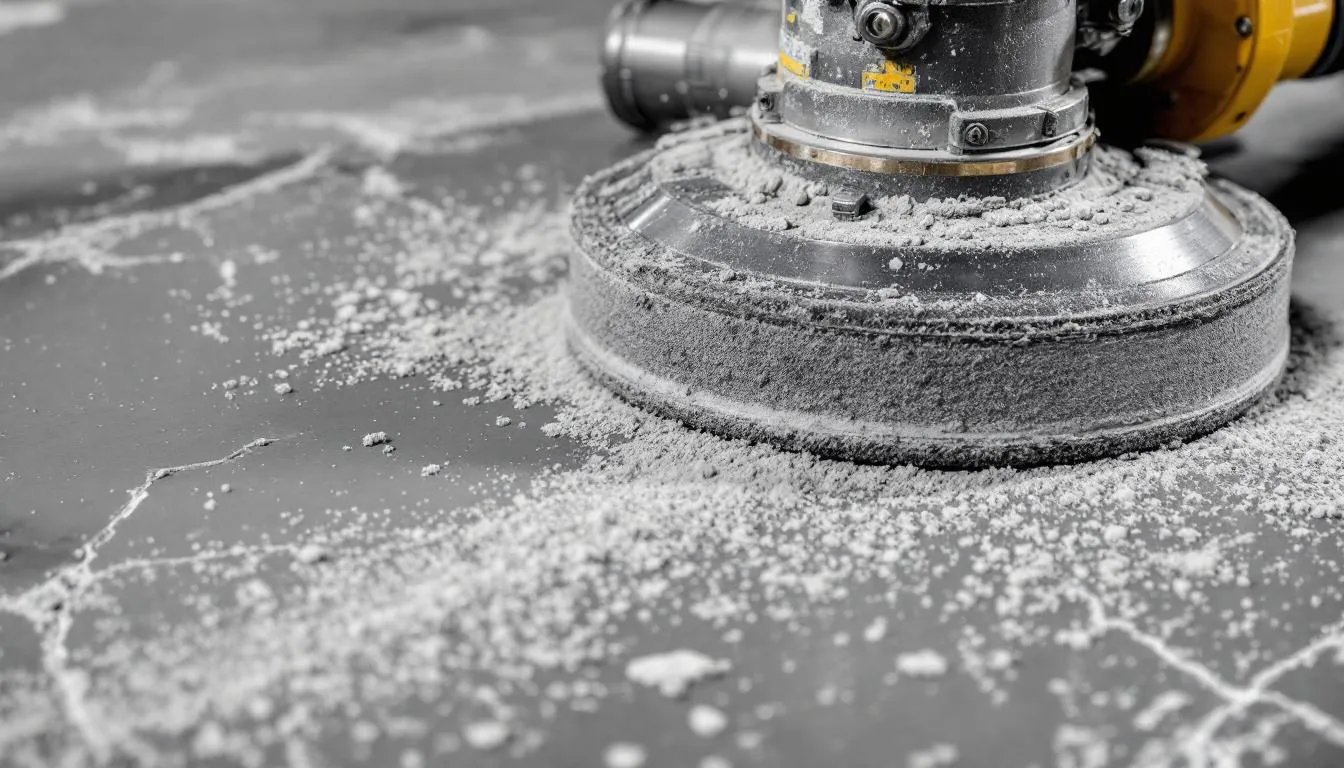
Moisture testing is critical, as excessive humidity can cause bubbling, delamination, or adhesion failure. Various testing methods are employed to detect moisture content and vapor transmission rates. Areas with high moisture may require vapor barrier systems or specialized moisture-tolerant primers.
Crack repair and surface leveling address substrate imperfections that could telegraph through the finished epoxy layer. Proper preparation may account for 60-80% of total installation time but is essential for long-term performance.
Application Process
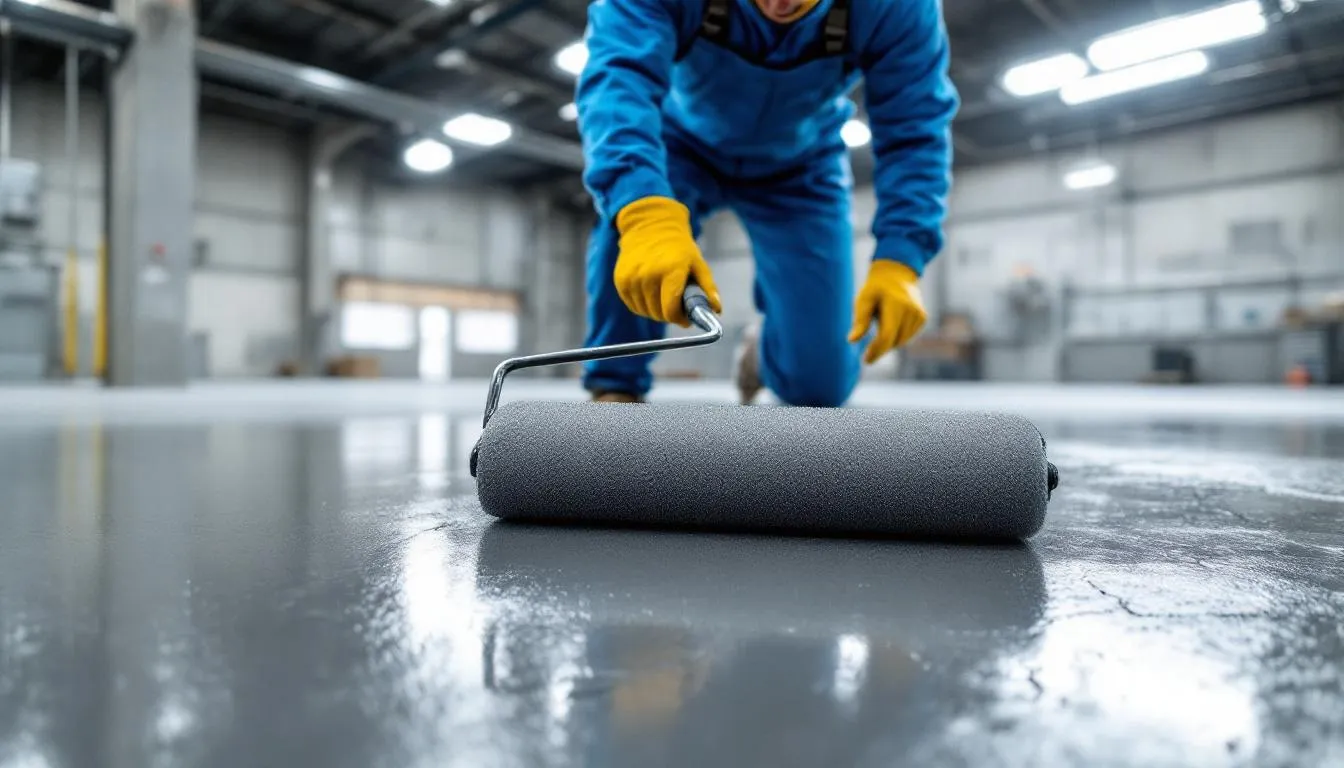
The step-by-step installation process begins with primer application to seal the concrete and enhance bond strength. Primers are typically applied with rollers or squeegees and must achieve complete surface coverage without pooling or dry spots.
Base coat application follows primer curing and involves precise mixing of resin and hardener components. The mixed epoxy must be applied within its working time, which varies based on temperature and formulation. Professional installers use calculated coverage rates to ensure proper thickness and uniform application.
Decorative elements such as flakes or aggregates are broadcast into the wet base coat at specified rates. Timing is critical, as the epoxy must remain tacky enough to accept the decorative materials while avoiding over-application that could compromise the topcoat.
The final topcoat provides surface protection and determines slip resistance characteristics. Multiple thin coats often achieve better results than single thick applications, with each coat requiring proper curing before the next application.
Curing Requirements
Temperature and humidity control during curing significantly impact final performance. Most epoxy systems cure optimally at temperatures between 60-80°F with relative humidity below 85%. Deviation from these parameters can extend cure times or compromise mechanical properties.
Complete cure typically requires 5-7 days at 70°F, though light foot traffic may be permitted after 24-48 hours depending on the specific system. Full chemical resistance develops gradually as the cross-linking process continues throughout the cure period.
Professional vs DIY Considerations
While DIY epoxy kits are available, professional installation offers significant advantages in surface preparation, material selection, and application expertise. Complex projects involving multiple coats, decorative elements, or challenging substrates benefit from experienced contractors who understand the nuances of epoxy chemistry and application techniques.
Professional installers also provide warranties and have access to commercial-grade materials that may not be available to consumers. The investment in professional installation often pays dividends in extended service life and optimal performance.
Benefits and Advantages
Chemical Resistance
Epoxy flooring excels in environments where chemical exposure is a concern. The cross-linked polymer structure resists penetration by oils, acids, solvents, and cleaning chemicals that would damage other flooring types. This resistance makes epoxy particularly valuable in manufacturing facilities, laboratories, and automotive service areas.
Chemical resistance varies among different epoxy formulations, with specialized systems designed for specific aggressive chemicals. Manufacturers provide detailed chemical resistance charts that specify exposure limits and contact times for various substances.
Impact and Abrasion Resistance
The hardened epoxy surface withstands heavy foot traffic, wheeled loads, and mechanical impact better than most alternative flooring systems. This durability translates to extended service life and reduced maintenance costs in high-traffic environments.
Testing standards such as the Taber abrasion test quantify wear resistance, with quality epoxy systems showing minimal material loss even under severe test conditions. This performance advantage becomes increasingly important in industrial and commercial applications where floor replacement costs are substantial.
Seamless Surface Benefits
The continuous, non-porous surface created by epoxy flooring eliminates joints and seams where bacteria, dirt, and contaminants can accumulate. This characteristic makes epoxy ideal for healthcare facilities, food processing plants, and cleanroom environments where hygiene is critical.
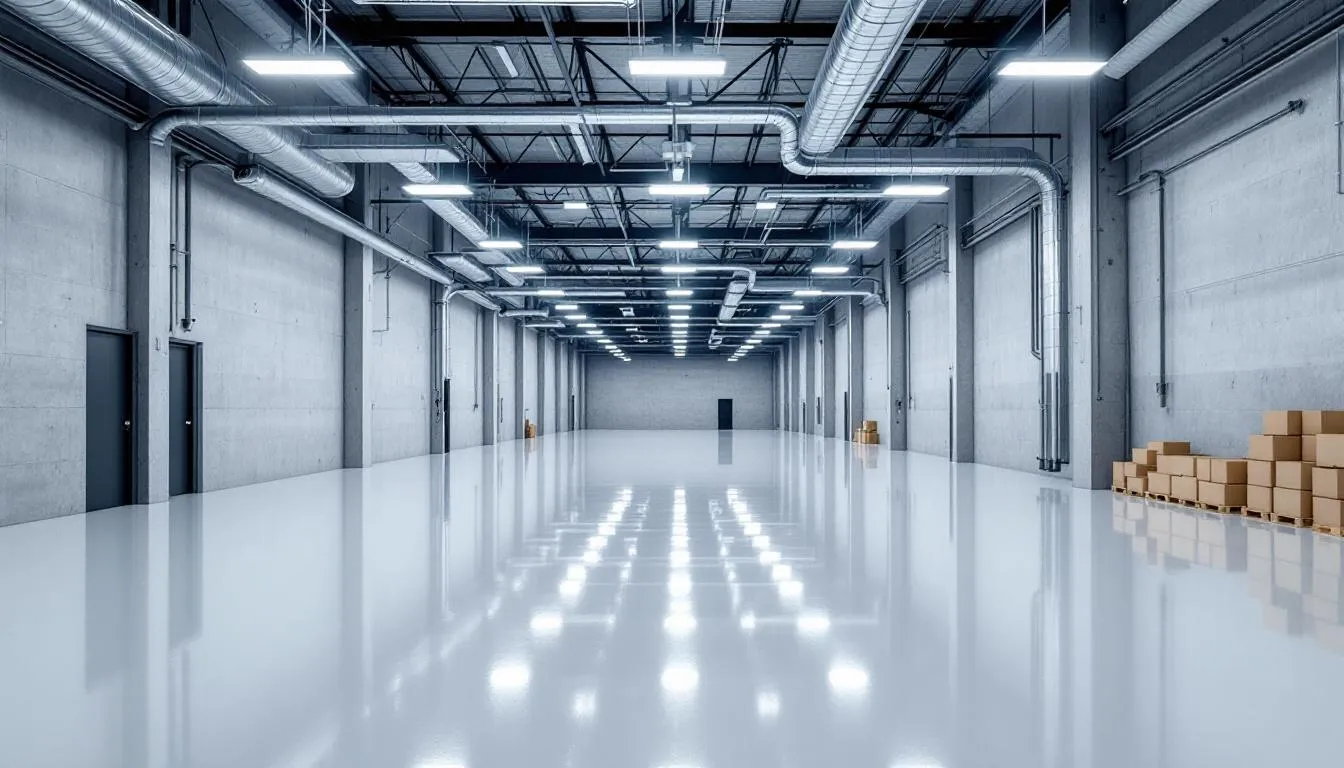
The seamless nature also simplifies cleaning and maintenance, as standard mopping and scrubbing equipment can cover large areas efficiently without navigating around joints or dealing with grout lines that require special attention.
Slip Resistance Options
While standard epoxy can be slippery when wet, numerous options exist to enhance traction and safety. Textured rollers, anti-slip additives, and aggregate broadcasts can be incorporated to achieve desired slip resistance levels without compromising other performance characteristics.
The ability to customize slip resistance makes epoxy suitable for diverse applications, from smooth surfaces in clean environments to heavily textured systems in wet or oily conditions. Slip resistance can be tested and verified to meet specific safety standards and insurance requirements.
Aesthetic Versatility
Modern epoxy systems offer unlimited color options, decorative effects, and custom designs that enhance the visual appeal of functional spaces. Metallic epoxies create dynamic, three-dimensional effects, while standard systems can incorporate logos, striping, or zone marking for operational efficiency.
The aesthetic possibilities extend beyond color to include various gloss levels, from high-gloss surfaces that maximize light reflection to matte finishes that reduce glare in specific applications. This versatility allows epoxy to complement architectural themes while delivering superior performance.
Common Applications
Garage Floors
Residential and commercial garage applications represent one of the fastest-growing segments of the epoxy flooring market. Homeowners appreciate the transformation from bare concrete to attractive, easy-to-clean surfaces that resist oil stains and automotive chemicals.
Commercial parking garages benefit from epoxy’s durability and ability to withstand repeated freeze-thaw cycles when properly sealed. The seamless surface eliminates dust generation and simplifies snow removal and cleaning operations.
Industrial Facilities
Manufacturing plants, warehouses, and distribution centers rely on epoxy flooring to withstand forklift traffic, chemical spills, and heavy machinery loads. The long service life and minimal maintenance requirements make epoxy a cost-effective choice for large industrial spaces.
Specialized formulations address specific industrial needs, such as FDA-compliant systems for food processing or static-dissipative floors for electronics manufacturing. These specialized applications often require additional certifications and testing to ensure compliance with industry standards.
Healthcare Facilities
Hospitals, clinics, and laboratories choose epoxy flooring for its hygienic properties and resistance to harsh cleaning chemicals. The seamless surface prevents bacterial growth and facilitates infection control protocols essential in healthcare environments.
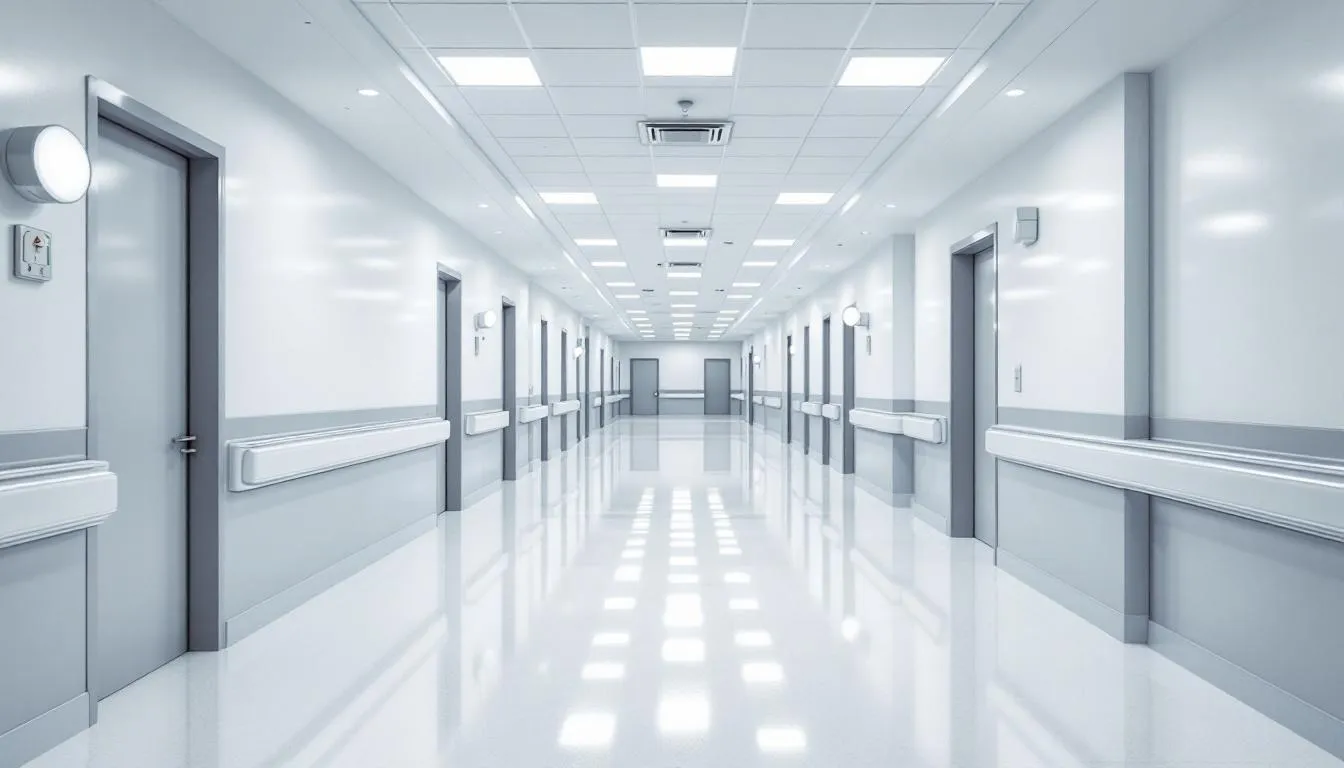
Anti-microbial additives can be incorporated into healthcare epoxy systems to provide additional protection against pathogens. These systems must balance performance requirements with patient safety considerations and regulatory compliance.
Retail and Commercial Spaces
Retail environments benefit from epoxy’s aesthetic versatility and durability under heavy foot traffic. Shopping centers, showrooms, and restaurants can achieve custom designs while maintaining surfaces that withstand commercial cleaning and operational demands.
The light-reflective properties of epoxy flooring can reduce lighting costs while creating bright, welcoming environments that enhance the customer experience. Easy maintenance keeps operating costs low while maintaining professional appearance.
Food Processing Facilities
Food and beverage processing requires flooring that meets strict sanitary standards while withstanding wash-down procedures, temperature variations, and chemical sanitizers. Specialized epoxy systems designed for food contact areas must comply with FDA regulations and USDA guidelines.
The impervious surface prevents bacterial growth and facilitates thorough cleaning required by food safety protocols. Slip-resistant formulations address safety concerns in wet processing environments while maintaining cleanability.
Cost Factors and Pricing
Material Costs
Epoxy flooring material costs vary significantly based on system type, quality level, and performance requirements. Basic garage-grade systems may cost $1-3 per square foot for materials, while industrial-grade systems can range from $3-8 per square foot or more for specialized formulations.
Premium decorative systems with metallic effects or custom colors command higher prices but offer unique aesthetic benefits. The initial material cost should be evaluated against expected service life and maintenance requirements to determine true value.
Labor Costs
Professional installation typically adds $2-6 per square foot to material costs, depending on surface preparation requirements, system complexity, and local labor rates. Extensive surface preparation or repairs can significantly increase labor costs but are essential for long-term performance.
Geographic factors influence labor costs, with major metropolitan areas generally commanding higher rates. However, the availability of experienced installers may be limited in some regions, potentially affecting both cost and scheduling.
Project Size Economics
Larger projects generally achieve better per-square-foot pricing due to economies of scale in material purchasing and labor efficiency. Projects over 10,000 square feet often receive significant cost reductions compared to smaller installations.
Conversely, small residential projects may have higher per-square-foot costs due to minimum charges and the inability to achieve material quantity discounts. Planning multiple areas or coordinating with neighbors can sometimes improve project economics.
Additional Cost Considerations
Surface repairs, moisture mitigation, and special preparation requirements can add substantially to project costs. Properties with oil-stained concrete, existing coatings, or moisture problems require additional work that impacts both timeline and budget.
Decorative options such as custom colors, logos, or complex patterns increase costs but may provide significant aesthetic or branding value. The incremental cost of these upgrades is often modest compared to the overall project investment.
Long-Term Value Analysis
When comparing epoxy to alternative flooring systems, the analysis should include maintenance costs, replacement frequency, and operational benefits. Epoxy’s extended service life and low maintenance requirements often provide superior value despite higher initial costs.
Energy savings from improved light reflection, reduced cleaning costs, and eliminated floor wax or refinishing expenses contribute to long-term economic benefits that may not be immediately apparent in initial cost comparisons.
Maintenance and Longevity
Daily Cleaning Procedures
Proper maintenance begins with daily cleaning using mild detergents and appropriate equipment. Dust mopping or vacuuming removes abrasive particles that could scratch the surface over time. Damp mopping with pH-neutral cleaners maintains appearance while preserving the epoxy’s protective properties.
Harsh chemicals, abrasive cleaners, or steel wool should be avoided as they can damage the surface or reduce gloss levels. Most epoxy systems require only basic cleaning equipment and standard commercial cleaning products.
Periodic Maintenance
Annual or semi-annual deep cleaning may include machine scrubbing or pressure washing to remove accumulated soil and restore appearance. High-traffic areas may benefit from periodic recoating to maintain optimal performance and aesthetics.
Traffic patterns and wear areas should be monitored to identify maintenance needs before significant damage occurs. Early intervention through spot repairs or localized recoating extends overall system life and maintains performance.
Expected Lifespan
Under normal conditions, quality epoxy flooring systems provide 10-20 years of service life before requiring major renovation. Light-duty applications such as retail spaces may exceed this range, while heavy industrial use may require more frequent attention.
Factors affecting longevity include substrate quality, installation practices, maintenance procedures, and exposure conditions. Proper installation and maintenance can significantly extend service life beyond typical expectations.
Common Maintenance Issues
Typical maintenance challenges include minor scratches from sharp objects, staining from spills, and gradual wear in high-traffic areas. Most issues can be addressed through spot repairs or localized recoating without full floor replacement.
Moisture-related problems such as bubbling or delamination usually indicate substrate issues rather than coating failure. These situations may require more extensive repair work to address underlying moisture sources.
Preventive Strategies
Preventive maintenance includes using walk-off mats at entrances, promptly cleaning spills, and protecting floors during construction or renovation activities. These simple measures significantly extend floor life and maintain appearance.
Regular inspection schedules help identify potential problems before they become major issues. Documenting maintenance activities and performance trends supports warranty claims and helps optimize future maintenance planning.
Potential Drawbacks and Considerations
UV Sensitivity
Standard epoxy formulations are susceptible to yellowing and chalking when exposed to direct sunlight or UV radiation. This limitation restricts their use in outdoor applications or areas with significant natural light exposure unless UV-resistant topcoats are applied.
The yellowing process typically begins within months of UV exposure and gradually intensifies over time. While performance characteristics remain unaffected, aesthetic degradation may require earlier replacement in appearance-critical applications.
Installation Requirements
Successful epoxy installation requires precise environmental control, including temperature and humidity management throughout the application and curing process. These requirements may limit installation windows or require temporary climate control in some situations.
Surface moisture content must be carefully controlled, as excessive humidity can cause adhesion failures or surface defects. Moisture testing and remediation may add time and cost to projects in challenging environments.
Substrate Preparation Challenges
The extensive surface preparation required for optimal epoxy performance can be disruptive and costly, particularly in occupied buildings. Dust control, noise management, and access restrictions may complicate installation scheduling.
Existing floor coatings, sealers, or contaminants must be completely removed to ensure proper adhesion. This process may reveal substrate problems that require additional repair work and budget adjustments.
Limited Repairability
Unlike modular flooring systems, epoxy repairs typically require professional expertise and may not achieve perfect color or texture matching. Large damaged areas may necessitate complete removal and reinstallation rather than simple patching.
The monolithic nature of epoxy systems means that localized damage can be visually prominent even after proper repair. This characteristic should be considered in high-visibility applications where appearance is critical.
Odor and Ventilation Requirements
Epoxy installation generates chemical odors that require adequate ventilation and may necessitate temporary relocation of sensitive individuals. Some formulations emit strong odors for several days after application, particularly in enclosed spaces.
Proper ventilation equipment and procedures are essential for installer safety and occupant comfort. Projects in occupied buildings may require coordination with facility management to minimize disruption and ensure safety.
FAQ
How long does epoxy flooring take to cure completely? Complete cure typically requires 5-7 days at 70°F, though light foot traffic may be allowed after 24-48 hours depending on the specific system used. Full chemical resistance and mechanical properties develop gradually as the cross-linking process continues throughout the cure period.
Can epoxy flooring be applied over existing tiles or other surfaces? While possible in some cases, epoxy performs best over properly prepared concrete. Existing surfaces like tiles require special preparation and bonding agents for reliable adhesion. The success of such applications depends on substrate condition, tile type, and specific epoxy formulation used.
Is epoxy flooring slippery when wet? Standard epoxy can be slippery when wet, but anti-slip additives, textured rollers, or aggregate broadcasts can be incorporated to improve traction and safety. The level of slip resistance can be customized to meet specific safety requirements for different applications.
What temperature range can epoxy flooring withstand? Most epoxy systems handle temperatures from -10°F to 140°F during service, though specialized high-temperature formulations can withstand up to 300°F for short periods. Thermal shock from rapid temperature changes should be avoided to prevent stress cracking.
How do you repair damaged epoxy flooring? Small chips and scratches can be spot-repaired with matching epoxy compound, while larger damage may require grinding and recoating the affected area to maintain appearance and performance. Professional assessment is recommended for significant damage to determine the most appropriate repair method.